When it comes to promotional products, how your logo or message is printed can make a big
difference in the look, feel, and durability of the final product. Whether you’re giving away custom t-
shirts, branded mugs, or promotional pens, the printing technique you choose plays a crucial role in
creating the right impact. But with so many printing methods available, how do you know which one
is right for your business?
This guide will walk you through the most popular printing techniques used in the promotional
products industry, helping you make informed decisions that align with your brand, budget, and the
type of product you’re looking to customize.
Screen Printing
Best For : Apparel, tote bags, water bottles, and other flat or cylindrical surfaces.
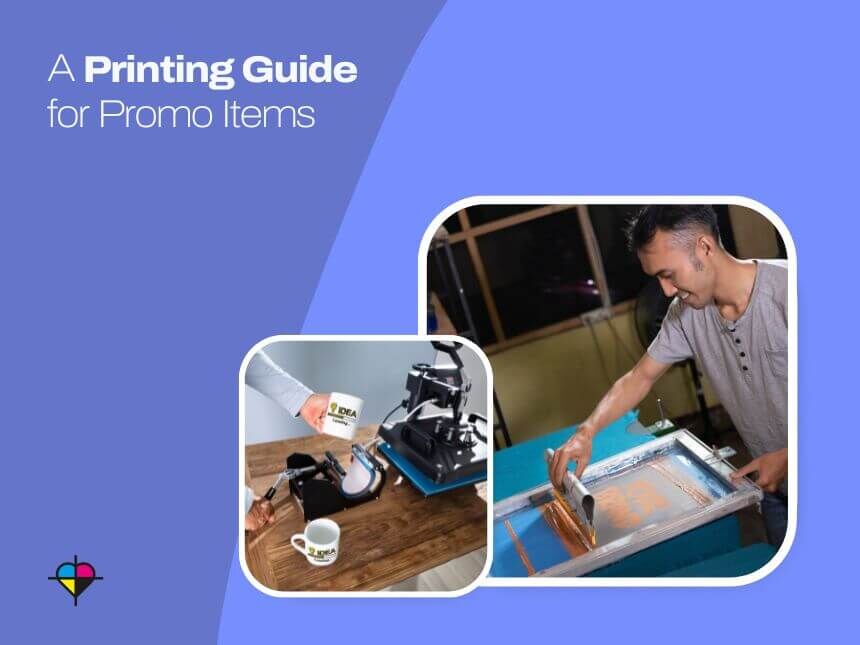
Screen printing, also known as silk screening, is one of the most common and widely used printing
methods in the promotional products industry. This technique involves pushing ink through a stencil
(or screen) to create a design. Each color in the design requires a separate screen, so it’s best suited
for simple designs with a limited number of colors.
Pros:
. Cost-effective for large quantities.
. Produces vibrant, long-lasting prints.
. Ideal for bulk items like t-shirts, bags, and water bottles.
Cons:
. Not ideal for complex, multi-color designs.
. Can become expensive with more colors or intricate designs due to the need for multiple
screens.
When to Choose Screen Printing: If you’re ordering a large quantity of items like t-shirts or tote bags
with a bold, simple logo or message, screen printing is a great option. It’s cost-effective and durable,
making it perfect for mass giveaways.
Digital Printing (Direct-to-Garment)
Best For: Apparel, especially detailed and full-color designs.
Digital printing, also known as Direct-to-Garment (DTG) printing, is like using a printer on
paper—except it prints directly onto fabric or other materials. This technique uses inkjet technology
to spray ink onto the item, allowing for a high level of detail and full-color designs without the need
for screens or stencils.
Pros:
. Great for full-color designs, gradients, and intricate details.
. No setup cost for screens, making it ideal for small quantities or one-off items.
. Soft to the touch, since the ink is absorbed into the fabric.
Cons:
. Slower production time compared to screen printing for bulk orders.
. Not as cost-effective for large quantities.
. Works best on light-colored, 100% cotton fabrics.
When to Choose Digital Printing: If you want detailed, multi-color designs on apparel like t-shirts or
hoodies and don’t need a large quantity, DTG is an excellent choice. It allows for high-quality prints,
perfect for one-offs or short runs with complex designs.
Pad Printing
Best For: Small, 3D items like pens, keychains, stress balls, and mugs.
Pad printing involves transferring ink from a silicone pad onto the product. It’s especially useful for
printing on irregular or curved surfaces, such as pens, golf balls, or keychains. This technique can
apply logos or designs in up to four colors and is ideal for small promotional products with tricky
shapes.
Pros:
. Perfect for printing on 3D, curved, or irregularly shaped items.
. Offers good print quality for small logos and text.
. Cost-effective for large quantities of small items.
Cons:
. Limited to relatively simple designs and fewer colors.
. Not ideal for large or flat surfaces.
When to Choose Pad Printing: If you’re looking to customize smaller promotional products like pens,
keychains, or stress balls, pad printing is an efficient and affordable option. It works well on items
with unusual shapes where other printing methods may not be feasible.
Embroidery
Best For: Apparel, hats, bags, and jackets.
Embroidery adds a touch of elegance and professionalism to promotional products, especially for
apparel and accessories. Instead of ink, embroidery uses thread to stitch your logo or design directly
onto the product. It’s highly durable and gives a premium, textured finish that stands out.
Pros:
. Highly durable, doesn’t fade or peel over time.
. Gives a premium, professional look.
. Works well for apparel, hats, bags, and more.
Cons:
. More expensive than printing methods.
. Not ideal for intricate designs or small text.
. Limited in color shading and gradients.
When to Choose Embroidery: If you’re looking to create branded clothing, hats, or bags with a high-
end, long-lasting finish, embroidery is a top choice. It’s perfect for businesses wanting to project a
polished, professional image.
Heat Transfer Printing
Best For: Apparel, tote bags, and promotional textiles.
Heat transfer printing involves transferring a printed design onto fabric using heat and pressure.
There are different types of heat transfer printing, including vinyl transfers (for solid color designs)
and full-color transfers (for detailed images). This method is versatile and allows for high-quality,
vibrant prints on fabric items.
Pros:
. Great for full-color designs and photographs.
. Works well on a variety of fabrics.
. Can handle complex designs with many colors.
Cons:
. Not as durable as screen printing or embroidery; may crack or peel over time.
. Best for small to medium quantities.
When to Choose Heat Transfer Printing: If you need to print a detailed, multi-color design or photo
on a small to medium run of apparel or textiles, heat transfer is a good option. It offers vibrant prints
and is perfect for custom t-shirts, especially for events or short-term promotions.
Sublimation Printing
Best For: Polyester apparel, mugs, water bottles, and other hard surfaces with a polyester coating.
Sublimation printing uses heat to transfer dye onto materials, allowing for full-color, high-quality
prints. This method is especially popular for polyester clothing and promotional products like mugs,
mousepads, and water bottles. It works best on white or light-colored items and is known for
producing vibrant, long-lasting prints.
Pros:
. Excellent for full-color designs and all-over prints.
. Ink becomes part of the material, making the design extremely durable.
. Works well on a wide range of products, including apparel, mugs, and phone cases.
Cons:
. Limited to polyester fabrics or specially coated items.
. Best suited for white or light-colored products.
. Can be more expensive for small quantities.
When to Choose Sublimation Printing: If you want high-quality, full-color prints on polyester fabrics
or coated items like mugs and bottles, sublimation is a great choice. It’s ideal for creating vibrant,
long-lasting promotional products that won’t fade or peel.
Conclusion
Choosing the right printing technique for your promotional products depends on several factors,
including the type of item, the complexity of your design, your budget, and the quantity you need.
Each printing method has its strengths, and understanding them can help you make the best
decision for your business.
Whether you’re looking for bold and simple designs with screen printing, intricate details with digital
printing, or a premium feel with embroidery, there’s a printing technique that’s perfect for your
promotional needs.
Ready to bring your brand to life? Let us help you choose the perfect printing technique for your
next promotional campaign! Reach out today to get started.